At Brock Counselling, we recognize that childhood experiences shape the foundation of an individual’s emotional and psychological development. Trauma in early life can leave deep, lasting scars that affect relationships, self-worth, and overall well-being. Identifying the signs of childhood trauma is a crucial step in initiating the healing process. With the right support, individuals can move from survival to recovery, finding strength and resilience along the way. In this article, we explore the common indicators of childhood trauma and how therapy can be a transformative tool in healing.
Table of Contents
Understanding Childhood Trauma
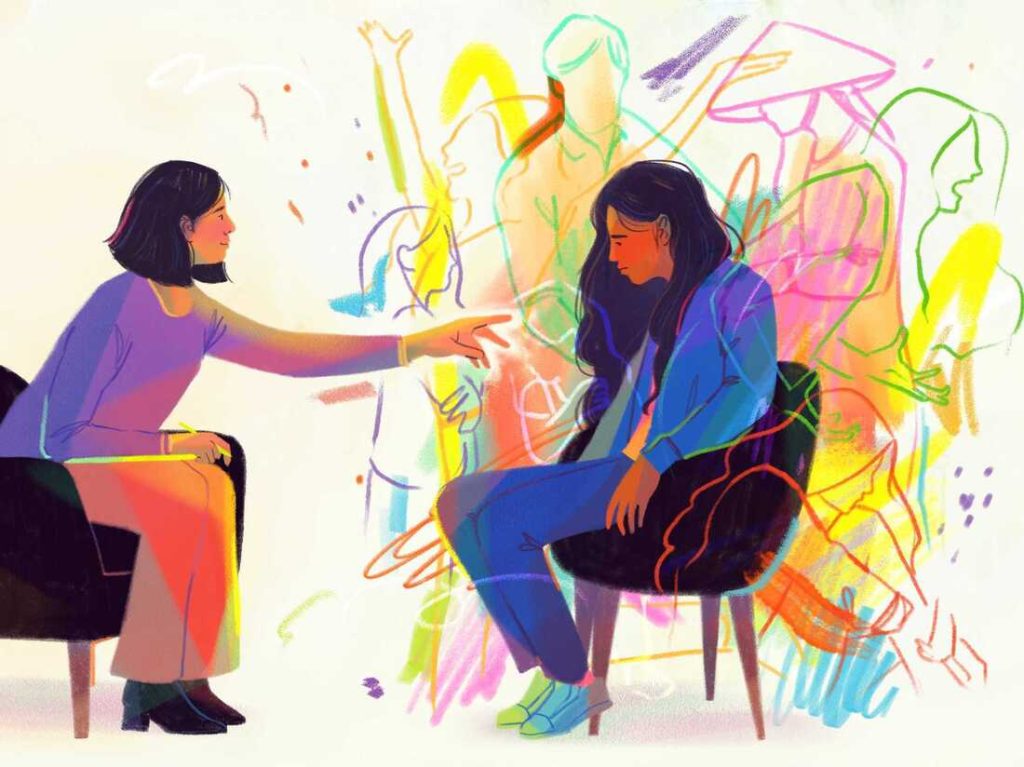
Childhood trauma encompasses deeply distressing experiences that disrupt a child’s sense of safety, security, and well-being. These events can range from physical, emotional, or sexual abuse to neglect, witnessing domestic violence, or losing a loved one. According to the Substance Abuse and Mental Health Services Administration (SAMHSA), over two-thirds of children experience at least one traumatic event by the age of 16. The effects of trauma often extend well into adulthood, influencing emotional regulation, relationships, and self-perception.
Recognizing the signs early allows for intervention, reducing the long-term impact of trauma. Below, we outline key emotional, behavioral, physical, cognitive, and social indicators that may suggest an individual has experienced trauma in childhood.
Emotional Indicators of Childhood Trauma
Children who have endured trauma often experience intense emotions that they struggle to understand and manage. These emotions can manifest in different ways, from internalized distress to outward expressions of anger and fear.
- Persistent sadness or hopelessness – Trauma can leave children feeling as though happiness is unattainable, leading to prolonged periods of melancholy.
- Intense anger or aggression – Unresolved trauma often results in difficulty regulating emotions, causing frequent irritability or rage.
- Excessive fear or anxiety – A heightened sense of danger, even in safe environments, can lead to phobias or separation anxiety.
- Feelings of guilt or shame – Children may blame themselves for their experiences, leading to diminished self-esteem and self-worth.
- Emotional numbness – Some trauma survivors shut down emotionally, appearing detached or indifferent to situations that should provoke a response.
Behavioral Manifestations
Trauma can disrupt a child’s ability to engage with the world in a healthy manner, often leading to noticeable changes in behavior. These behaviors may be coping mechanisms or attempts to regain control.
- Regression – Returning to earlier developmental stages, such as bedwetting or thumb-sucking, as a way of seeking comfort.
- Difficulty concentrating – Trouble focusing on tasks, schoolwork, or conversations, often leading to academic struggles.
- Sleep disturbances – Frequent nightmares, insomnia, or excessive sleeping as a way to escape distress.
- Risky behaviors – Engaging in dangerous activities, self-harm, or substance misuse to numb pain or regain a sense of control.
- Hypervigilance – Being constantly on edge, reacting strongly to perceived threats, and struggling to relax.
Physical Symptoms of Trauma
Trauma affects not just the mind but also the body. Many individuals who have experienced childhood trauma develop chronic physical issues that have no clear medical cause.
- Unexplained headaches or stomachaches – Frequent physical complaints without a clear medical diagnosis.
- Changes in appetite or weight – Fluctuations in eating patterns, whether through overeating or loss of appetite.
- Heightened sensitivity to sensory stimuli – Being overly reactive to loud noises, bright lights, or sudden movements.
- Fatigue or low energy – Feeling physically drained, even after adequate rest, due to the body constantly being in a state of stress.
Cognitive and Academic Challenges
Trauma alters brain development, affecting memory, learning, and problem-solving skills. This can manifest as academic and cognitive difficulties.
- Memory impairments – Struggling to recall events, follow instructions, or retain new information.
- Learning difficulties – Trouble grasping concepts, particularly in structured educational settings.
- Negative self-talk – Internalized beliefs of being ‘not good enough’ or ‘incapable’ leading to self-sabotage in academic and personal pursuits.
- Difficulty making decisions – Indecisiveness stemming from fear of failure or repeating past mistakes.
Social Withdrawal and Relationship Issues
The ability to form healthy relationships can be severely impacted by childhood trauma. Trust, communication, and social interaction may become challenging.
- Avoidance of social interactions – Preferring isolation over spending time with friends or family.
- Difficulty trusting others – Fear of betrayal or being hurt, leading to reluctance in forming close relationships.
- Conflict with peers or authority figures – Struggling to interpret social cues, leading to frequent misunderstandings or arguments.
- Clinginess or extreme dependence – Seeking constant reassurance and fearing abandonment.
- Lack of emotional reciprocity – Struggling to express affection or respond to the emotions of others.
The Role of Therapy in Healing
Healing from childhood trauma is possible, and therapy plays a crucial role in this journey. By working with trained professionals, individuals can process their experiences and develop healthier coping mechanisms.
- Trauma-Focused Cognitive Behavioral Therapy (TF-CBT) – An evidence-based approach that helps individuals reframe negative thought patterns and develop emotional resilience.
- Play Therapy – Particularly beneficial for children, this therapy allows them to express emotions and experiences in a safe, creative space.
- Eye Movement Desensitization and Reprocessing (EMDR) – A technique designed to help process and reframe traumatic memories.
- Family Therapy – Involves loved ones in the healing process, fostering a supportive environment for recovery.
Seeking therapy is not about reliving the past but about learning how to move forward with strength and clarity. Early intervention can mitigate the long-term effects of trauma and help individuals build fulfilling, emotionally healthy lives.
The Path Forward
At Brock Counselling, we believe in the resilience of the human spirit. Childhood trauma does not have to define a person’s future. With the right support, individuals can heal, grow, and reclaim their sense of self. Therapy provides a compassionate, structured approach to understanding and overcoming trauma, and online therapy for childhood trauma can offer accessible support for those hesitant to seek help in person. If you or a loved one is struggling with the effects of childhood trauma, we are here to help. Together, we can turn pain into empowerment, ensuring that healing is not just possible but within reach.