
Depression Counselling
- Home
- Services

Understanding Depression
What is depression, and when does it become a concern?
Depression doesn’t always show up as sadness, low mood, isolation, withdrawal, or lack of motivation. It can also show up as anger and irritability, “checking out,” or risky behaviours. All of these symptoms can affect the way you think, feel, and function in daily life. To other people, these may look like character traits, instead of a serious medical condition.
Occasional sadness is a normal part of being human, but when symptoms linger for weeks and begin to interfere with work, relationships, parenting, or daily routines, it may be time to seek support.
Depression is one of the most common mental health conditions, affecting people of all ages and backgrounds. Whether you are dealing with persistent sadness, fatigue, lack of motivation, irritability, or difficulty finding meaning in things you once enjoyed, you are not alone, and effective, compassionate help is available.
At Brock Counselling, our therapists meet you where you are, without judgment. We work collaboratively to understand what is driving your depression, what unhelpful patterns are reinforcing your low mood, and how you are coping with this discomfort. The goal of therapy is to help you understand why you are getting stuck in the same unhelpful patterns, and how to make meaningful change that feels manageable and long-lasting.
Common signs of depression
Depression can show up differently from person to person. These are some of the ways it commonly presents — recognizing them is often the first step toward feeling better.
Emotional & Cognitive
- Difficulty concentrating or making decisions
- Feelings of worthlessness or excessive guilt
- Loss of interest in activities you previously enjoyed
- Persistent sadness, emptiness, or hopelessness
- Recurring thoughts of self-harm
Physical & Behavioural
- Changes in appetite or weight
- headaches or body aches
- Low energy or persistent fatigue
- Sleeping too much or too little
- Withdrawing from friends, family, or activities
Our Approach
How we support your healing
Our therapists use evidence-based, trauma-informed treatment approaches. Therapy is tailored to each person’s individual goals and needs.
No two journeys look the same, and neither should therapy.

Understand the Root
Therapy begins by carefully exploring your depression and low mood and how it affects your life today. In addition to discussing your cognitive, emotional, and behavioural patterns, so that therapy addresses the cause, not just the symptoms.

Build Practical Tools
Together we develop coping strategies and regulation skills you can use in everyday life. These techniques are drawn from evidence-based therapies including CBT, DBT, ACT, and other modalities.

Sustain Progress
As you grow, we adjust the focus to help you maintain your gains, strengthen resilience, and feel confident navigating low periods on your own.
treatment Approaches
How we work with depression
Our therapists use a variety of evidence-based modalities, selecting and blending approaches based on what will work best for you.
Acceptance & Commitment Therapy (ACT)
Builds cognitive flexibility and helps you move toward your goals, values, and the life you want to live, even when depression makes it hard.
Behavioural Activation
Helps rebuild engagement with meaningful and rewarding activities to lift mood.
Cognitive Behavioural Therapy (CBT)
Identifies and reshapes negative thought patterns that fuel depressive symptoms.
Solution-Focused Therapy
Builds on your existing strengths to create meaningful, lasting change.
Sessions are offered in-person, virtually, or by phone.
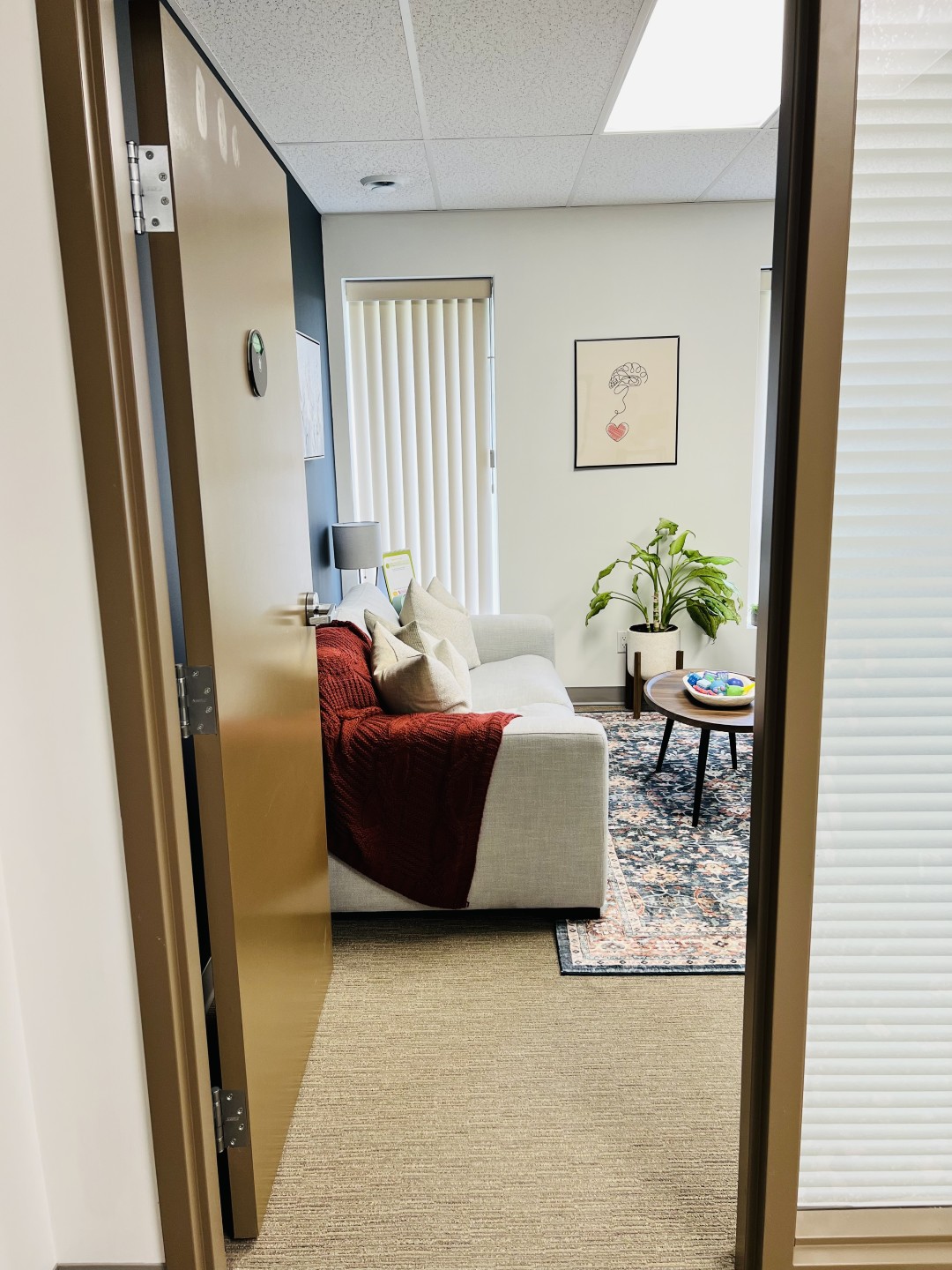
What to expect when you reach out
Starting therapy can feel like a big step. You’re right – it is! Here’s how the process works at Brock Counselling, so you know exactly what to expect.
1
Brief Consultation
Therapy starts with an initial 15-min phone consultation to discuss individual needs, as well as explore fit. This is also a good place to ask your questions about the therapy process.
2
Your First Session
During this session, your therapist will spend time getting to know you and discussing your goals for therapy. This appointment requires you to bring nothing, other than a willingness to participate.
3
Ongoing Support
At the end of the first session, you and your therapist will discuss frequency of sessions, as well as a plan for future sessions. As you begin to heal, the frequency may change, giving more time in between sessions to allow you to utilize skills and begin to cope.
Not Sure Where to Start?
Choosing to reach out is the hardest part. Our team is here to answer your questions and help you find the right fit — no pressure, no commitment.
Ready When You Are
Book a Free Phone Consultation
Book a 15-minute phone consultation with one of our therapists. During this call, we’ll discuss your needs and goals and explore how our tailored approach can support your healing journey.
FAQs
How do I book an appointment?
There are many ways to book an appointment:
NEW CLIENTS: If you are a NEW client to Brock Counselling, please follow this link to send us a message: Contact Brock Counselling for Support and Therapy Services.
You can also book directly by e-mailing info@brockcounselling.ca or calling us at 905-320-2342.
EXISTING CLIENTS: If you are a CURRENT client, please use the Owl Portal link on the top right-hand side of the page. This will take you to the online booking platform: OWL, where you can book an appointment.
Alternatively, you can reach out to your therapist directly to book an appointment or contact info@brockcounselling.ca.
Therapy may be a good fit if:
- You have a problem that is interfering with your daily life;
- You have unresolved negative feelings that are affecting your work, home tasks, parenting, or relationships;
- Your family doctor recommended that you speak with a social worker or psychotherapist;
- You have been diagnosed with a mental health condition;
- Your coping strategies are harmful to your health and well-being (drinking alcohol in excess, using drugs, disordered eating, isolation, ‘doom scrolling’); OR
- You are looking for impartial feedback about your life and life choices.
People begin therapy for many different reasons. You do not have to have everything figured out before reaching out for support.
Therapy welcomes all individuals and requires no prior experience.
You do not need to bring or prepare anything for your first appointment – other than a willingness to participate and engage in the therapy process.
Your therapist will guide and support you through the first appointment. At the end of this appointment, your therapist will help you with setting goals and discussing what your hopes are for your therapy journey.
The primary differences between an RSW (Registered Social Worker) and a Psychologist are their education and the services they provide.
RSWs hold a Bachelor of Social Work or a Master of Social Work. This allows them to provide psychotherapy in Ontario.
Psychologists hold of Doctor of Psychology. While they can provide psychotherapy, most psychologists exclusively provide mental health assessments (i.e., Psychoeducational assessments, ADHD assessments, autism assessments).
It is best to speak directly with the professional about what services they provide.
Yes! Evening appointments are offered most nights of the week.
Weekend appointments are offered on Saturday morning and early afternoon.
Yes. What you share is confidential and your privacy is prioritized.
The information you share during a therapy session is protected by the Personal Health Information Protection Act (PHIPA), ensuring a safe and trusting therapeutic relationships between you and your therapist.
If you chose to share information with your spouse, family, employer, or other individual, you would sign a written consent. You have the right to revoke this written consent at any time.
Short answer, no.
Services are not offered outside of Ontario.
Registered Social Workers and Registered Psychotherapists are governed by separate regulatory bodies.
The Ontario College of Social Workers restricts services to clients located in Ontario.
The College of Registered Psychotherapists also restricts services to clients located in Ontario.
Absolutely!
In fact, fit is very important as it reflects the compatibility between you and your therapist.
Research consistently supports that the relationship between a client and therapist is the single most predictor in therapy success – as opposed to treatment type used, number of sessions, and diagnosis.
It may be a good fit if:
- You feel comfortable opening up, especially about the hard or embarrassing stuff;
- You feel heard, understood, and respected;
- You feel comfortable with your therapist challenging you in healthy ways;
- You genuinely want to attend sessions, even when what you’re talking about is difficult.
Yes, some insurance companies allow for direct billing. Please reach out to the practice directly at info@brockcounselling.ca to inquire if your insurance company is on the list of approvals.
Contact
Get In Touch
We are here to answer your questions and help you begin your healing journey. Contact us via phone, text, email, or fill out the form on the right hand side to get started.
We look forward to helping you become the best version of you!
Address
3344 Mainway, Burlington, ON, L7M 1A7