Play Therapy
- Home
- Services

Understanding Play Therapy
What is Play Therapy?
Play Therapy is an evidence-based approach that uses play, a child’s most natural form of communication, to help them process emotions, experiences, and challenges they don’t yet have the words to express. Rather than asking a child to sit and talk about their feelings in therapy, the way an adult might, play therapy meets children where they are, using toys, games, art, and imaginative play as the language of the session.
Children often express what’s going on for them through play long before they can name it directly. A child working through anxiety, a difficult family transition, loss, or a big behavioural change may act it out symbolically, giving a trained therapist insight into what’s happening beneath the surface, and creating a safe, developmentally appropriate way to help the child work through it.
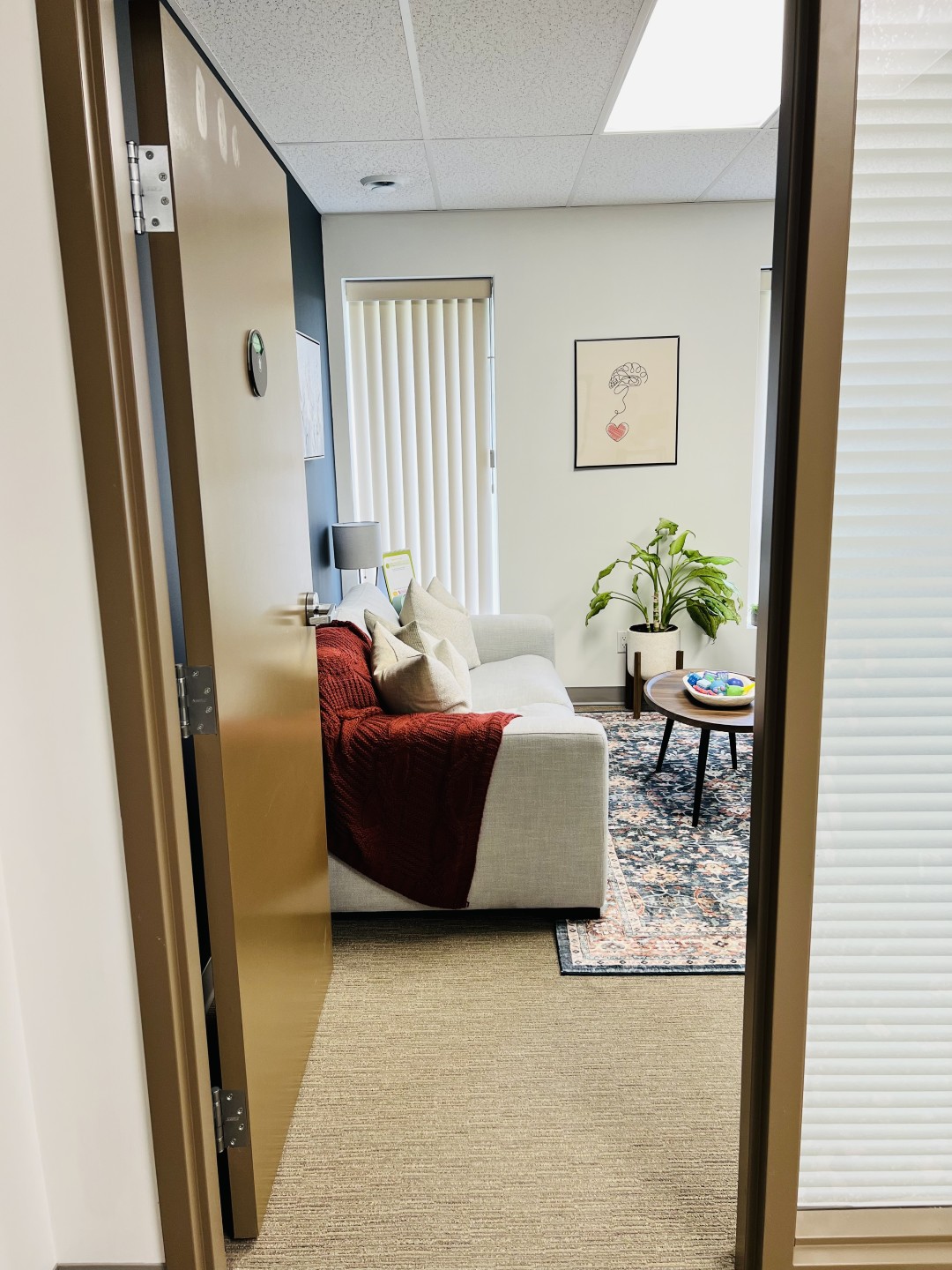
At Brock Counselling, our therapists create a warm, consistent space where children feel safe to explore their inner world, build coping skills, and develop emotional resilience, while parents are supported and involved in the process.
Who It’s For
Is Play Therapy right for your child?
Common Concerns
- Anxiety or big worries
- Behavioural changes or "acting out" (hitting, kicking, spitting)
- emotional outbursts (screaming, aggressive language, "I hate you")
- major life transitions (death or loss, divorce, moving, starting a new school)
- limited social skills or challenges in peer relationships
- Trauma or difficult experiences (bullying, sibling conflict, witnessing a medical emergency)
Signs Play Therapy Could Help
- Difficulty adjusting after a family change or stressful event
- Increased clinginess, tantrums, or regression
- Sudden changes in behaviour, sleep, or mood
- Your child struggles to talk about feelings
- your child witnessed a scary event
- your child's teacher has noticed changes or a regression in their behaviour
- You're looking for a gentle, age-appropriate way for your child to process what's going on
How we use Play Therapy
Our therapists create a safe, consistent playroom environment, and involve parents as partners throughout the process.

Build Safety and Trust
We start by helping your child feel safe and comfortable, building a trusting relationship that allows them to express themselves freely through play.

Support Emotional Processing
Through guided and child-led play, we help your child work through difficult emotions and painful experiences at their own pace, in a way that feels natural to them.

Partner with Parents
Parents play an essential role in child therapy. Your active involvement helps your child apply coping and emotional regulation skills beyond the therapy room, giving them an important opportunity to practice skills in everyday life.
Core Principles
The building blocks of
Play Therapy
Play therapy draws on a range of techniques, chosen to fit your child’s age, personality, and needs.
Behavioural Coaching
Helping children build new, healthier patterns of responding to big feelings and behavioural challenges.
Child-Centred Play
Following the child's lead in play, allowing them to direct the session and express themselves in their own way.
Emotional Regulation Skills
Teaching age-appropriate tools for recognizing and managing big feelings.
Parent Involvement
Equipping caregivers with strategies to reinforce progress, model coping strategies, defuse big emotions, and support their child at home.
Symbolic Expression
Using toys, art, and storytelling to help children communicate experiences and feelings they can't yet put into words.
Sessions are offered in-person, and are tailored to your child’s age and developmental stage.
What to expect when you reach out
Starting therapy can feel like a big step. You’re right – it is! Here’s how the process works at Brock Counselling, so you know exactly what to expect.
1
Brief Consultation
Therapy begins with an initial 15-minute phone consultation with a parent or caregiver to discuss your child's needs and explore fit with a therapist.
2
Your Child's First Session
Your child's therapist will spend time building comfort and rapport in the playroom, while gently getting to know your child and their world.
3
Ongoing Support
You and your child's therapist will agree on a session frequency and plan, with regular check-ins to keep you informed and involved as your child progress.
Not Sure Where to Start?
Choosing to reach out is the hardest part. Our team is here to answer your questions and help you find the right fit — no pressure, no commitment.
Ready When You Are
Book a Free Phone Consultation
Book a 15-minute phone consultation with one of our therapists. During this call, we’ll discuss your needs and goals and explore how our tailored approach can support your healing journey.
FAQs
How do I book an appointment?
There are many ways to book an appointment:
NEW CLIENTS: If you are a NEW client to Brock Counselling, please follow this link to send us a message: Contact Brock Counselling for Support and Therapy Services.
You can also book directly by e-mailing info@brockcounselling.ca or calling us at 905-320-2342.
EXISTING CLIENTS: If you are a CURRENT client, please use the Owl Portal link on the top right-hand side of the page. This will take you to the online booking platform: OWL, where you can book an appointment.
Alternatively, you can reach out to your therapist directly to book an appointment or contact info@brockcounselling.ca.
Therapy may be a good fit if:
- You have a problem that is interfering with your daily life;
- You have unresolved negative feelings that are affecting your work, home tasks, parenting, or relationships;
- Your family doctor recommended that you speak with a social worker or psychotherapist;
- You have been diagnosed with a mental health condition;
- Your coping strategies are harmful to your health and well-being (drinking alcohol in excess, using drugs, disordered eating, isolation, ‘doom scrolling’); OR
- You are looking for impartial feedback about your life and life choices.
People begin therapy for many different reasons. You do not have to have everything figured out before reaching out for support.
Therapy welcomes all individuals and requires no prior experience.
You do not need to bring or prepare anything for your first appointment – other than a willingness to participate and engage in the therapy process.
Your therapist will guide and support you through the first appointment. At the end of this appointment, your therapist will help you with setting goals and discussing what your hopes are for your therapy journey.
The primary differences between an RSW (Registered Social Worker) and a Psychologist are their education and the services they provide.
RSWs hold a Bachelor of Social Work or a Master of Social Work. This allows them to provide psychotherapy in Ontario.
Psychologists hold of Doctor of Psychology. While they can provide psychotherapy, most psychologists exclusively provide mental health assessments (i.e., Psychoeducational assessments, ADHD assessments, autism assessments).
It is best to speak directly with the professional about what services they provide.
Yes! Evening appointments are offered most nights of the week.
Weekend appointments are offered on Saturday morning and early afternoon.
Yes. What you share is confidential and your privacy is prioritized.
The information you share during a therapy session is protected by the Personal Health Information Protection Act (PHIPA), ensuring a safe and trusting therapeutic relationships between you and your therapist.
If you chose to share information with your spouse, family, employer, or other individual, you would sign a written consent. You have the right to revoke this written consent at any time.
Short answer, no.
Services are not offered outside of Ontario.
Registered Social Workers and Registered Psychotherapists are governed by separate regulatory bodies.
The Ontario College of Social Workers restricts services to clients located in Ontario.
The College of Registered Psychotherapists also restricts services to clients located in Ontario.
Absolutely!
In fact, fit is very important as it reflects the compatibility between you and your therapist.
Research consistently supports that the relationship between a client and therapist is the single most predictor in therapy success – as opposed to treatment type used, number of sessions, and diagnosis.
It may be a good fit if:
- You feel comfortable opening up, especially about the hard or embarrassing stuff;
- You feel heard, understood, and respected;
- You feel comfortable with your therapist challenging you in healthy ways;
- You genuinely want to attend sessions, even when what you’re talking about is difficult.
Yes, some insurance companies allow for direct billing. Please reach out to the practice directly at info@brockcounselling.ca to inquire if your insurance company is on the list of approvals.
Contact
Get In Touch
We are here to answer your questions and help you begin your healing journey. Contact us via phone, text, email, or fill out the form on the right hand side to get started.
We look forward to helping you become the best version of you!
Address
3344 Mainway, Burlington, ON, L7M 1A7